
Practice singing at home can be difficult when you need to keep noise levels low. Many people live in apartments, share spaces with family, or simply prefer practicing without disturbing others.
Because of this, learning how to train quietly is an important skill for singers at every level. With the right approach, it is possible to improve vocal control, breathing, and tone without constantly singing loudly.
A structured method for Practice singing at home helps maintain steady progress while keeping practice comfortable and manageable. Quiet vocal practice is not about whispering or forcing the voice to stay silent.
Instead, it focuses on controlled sound production and careful breath support. Many vocal exercises related to posture, articulation, resonance, and airflow can be practiced effectively at lower volume levels.
This makes Practice singing at home much easier to include in a daily routine. Another advantage of quiet practice is increased awareness. Lower volume often helps singers focus more on pitch, diction, and vocal control.
It can also reduce unnecessary strain during long practice sessions. However, poor technique while singing quietly may create tension. This is why healthy breathing and relaxed posture are important parts of quiet vocal training.
In this guide, you will learn how to build a low volume routine, improve breathing and posture, use articulation exercises, organize daily sessions, and avoid common mistakes while you Practice singing at home.
Practice Singing At Home With Quiet Vocal Techniques How To Build A Low Volume Routine
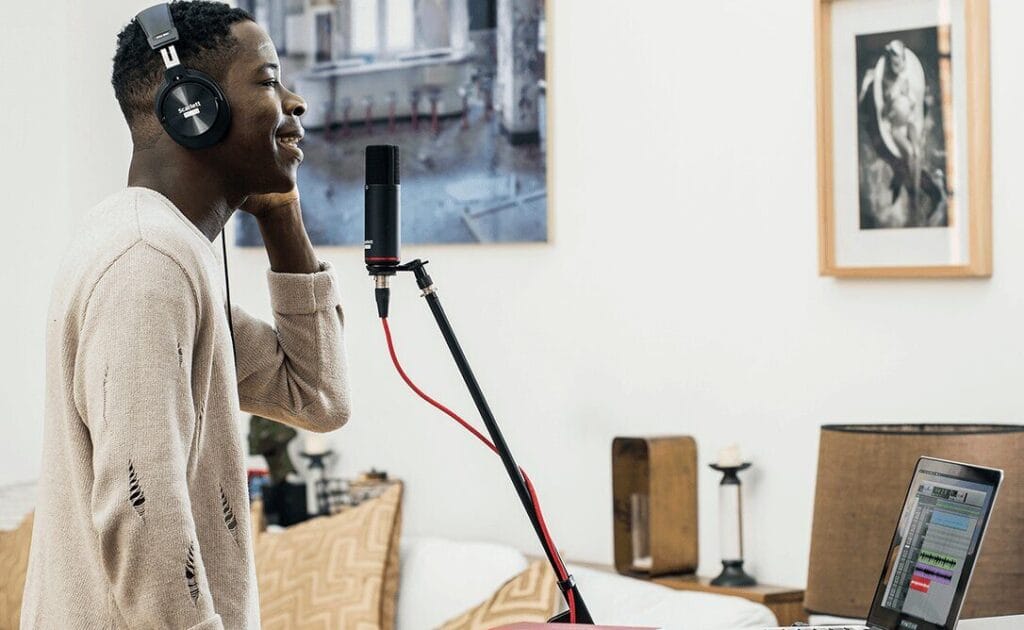
Creating a routine is one of the most important parts of learning how to Practice singing at home effectively. Consistency usually creates better results than occasional long sessions.
The first step is choosing a comfortable practice space. A quiet room with minimal distractions can improve concentration and make low volume singing feel easier. Rooms with curtains, carpets, or soft furniture may also help absorb sound.
Short sessions are often more productive than long exhausting practice periods. A routine of 20 to 30 minutes can support steady improvement without causing fatigue.
A balanced Practice singing at home schedule should include breathing exercises, warm ups, articulation work, and controlled vocal practice.
Gentle humming is a good way to begin. Lip trills and soft vowel sounds can also warm up the voice gradually without requiring strong projection. Relaxation is important during quiet practice.
Some singers accidentally tighten the throat while trying to stay quiet. The voice should still feel natural and supported. Practicing regularly helps build muscle memory and makes quiet vocal work more comfortable over time.
Practice Singing At Home With Quiet Vocal Techniques Breathing Posture And Control Basics
Breathing is one of the foundations of healthy singing. When you Practice singing at home, proper airflow becomes even more important because lower volume requires greater control. Diaphragm support helps stabilize the voice without excessive effort.
Instead of raising the shoulders while breathing, singers should focus on expanding the lower ribs and abdomen. This creates smoother airflow and more balanced sound production. Posture also affects vocal performance.
Standing or sitting upright with relaxed shoulders improves breathing efficiency and reduces tension. Poor posture can limit airflow and make singing feel uncomfortable. Because of this, posture awareness is essential whenever you Practice singing at home.
Controlled breathing exercises can improve endurance and stability. Slow inhalation and steady exhalation exercises are useful for developing breath management quietly. Jaw and neck relaxation are equally important.
Tight muscles may reduce resonance and make low volume singing feel strained. Gentle stretching before practice can help reduce stiffness. With regular repetition, singers develop better vocal control and healthier singing habits.
Articulation Resonance And Mouth Exercises For Better Vocal Control
Articulation and resonance exercises are extremely useful when you Practice singing at home quietly. Lower volume often increases awareness of mouth movement and vocal placement.
Articulation exercises focus on the lips, tongue, and jaw. Repeating consonants and vowels slowly can improve pronunciation and clarity. These exercises are especially effective in quiet environments because they require more precision than loud singing.
Resonance exercises help singers understand where sound vibrates inside the body. Gentle humming can create vibration around the nose, face, and head areas. This improves tone placement and vocal consistency.
Lip trills and tongue trills are also helpful. They encourage smooth airflow and reduce throat tension. Because they create less volume, they are ideal for quiet practice sessions.
Jaw relaxation exercises may improve flexibility and reduce stiffness. Tension around the jaw can affect both tone and comfort.
Mirror practice can also help singers observe posture, mouth shape, and unnecessary movement while they Practice singing at home. Over time, these exercises improve vocal control and overall confidence.
Practice Singing At Home With Quiet Vocal Techniques How To Plan Daily Sessions
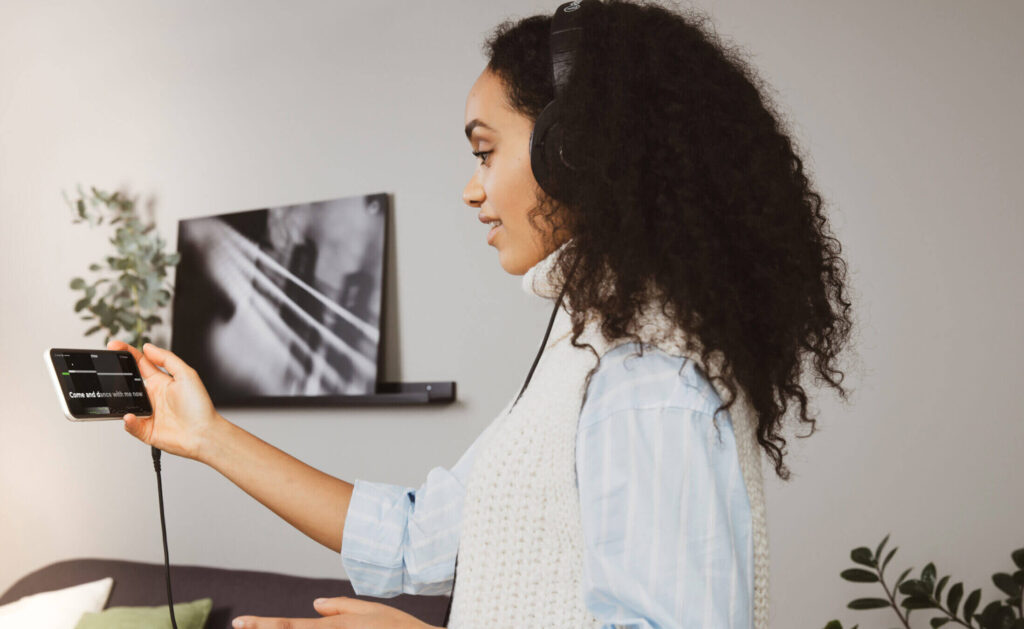
A structured daily routine makes it easier to Practice singing at home consistently. Organized sessions often produce better progress than random practice. Most sessions should begin with gentle warm ups.
Humming, breathing exercises, and lip trills prepare the voice gradually and reduce strain risk. After warming up, singers can focus on articulation and resonance exercises. These activities improve vocal awareness while keeping noise levels low.
A balanced Practice singing at home routine should include both technical and musical practice. Controlled song practice can follow. Instead of singing loudly, focus on pitch accuracy, breath connection, and smooth tone production at a lower volume.
Taking short breaks is important during longer sessions. Even quiet singing can create fatigue if the voice is used continuously without rest. Recording short sections occasionally can help singers evaluate progress more objectively.
Listening back makes it easier to notice pitch, diction, and tone issues.Ending the session with gentle cooldown exercises may also help relax the voice after practice.
A clear structure makes Practice singing at home more effective and easier to maintain long term.
Common Mistakes To Avoid When Training Quietly At Home
Many singers make technical mistakes while trying to Practice singing at home quietly. Understanding these issues can help improve both comfort and progress. One common mistake is whispering instead of singing softly.
Whispering may create more tension than controlled quiet singing. The voice should remain supported and relaxed. Another issue is throat tightening. Some singers push the voice inward to reduce volume, which may create strain.
Quiet practice should still feel open and natural. Skipping warm ups is also a frequent mistake. Even low volume practice requires preparation. Gentle exercises help improve flexibility and reduce tension before singing.
Poor posture may limit breathing efficiency and affect vocal control. Maintaining a relaxed upright position is important whenever you Practice singing at home. Over practicing can also reduce vocal quality.
Short focused sessions are often more effective than long exhausting ones. Some singers avoid normal volume singing completely. While quiet training is useful, balanced development still requires occasional full voice practice.
Hydration is equally important. Drinking enough water helps maintain vocal comfort and flexibility during training. By avoiding these mistakes, singers can make Practice singing at home healthier, safer, and more productive.
See you in the next post,
Anil UZUN