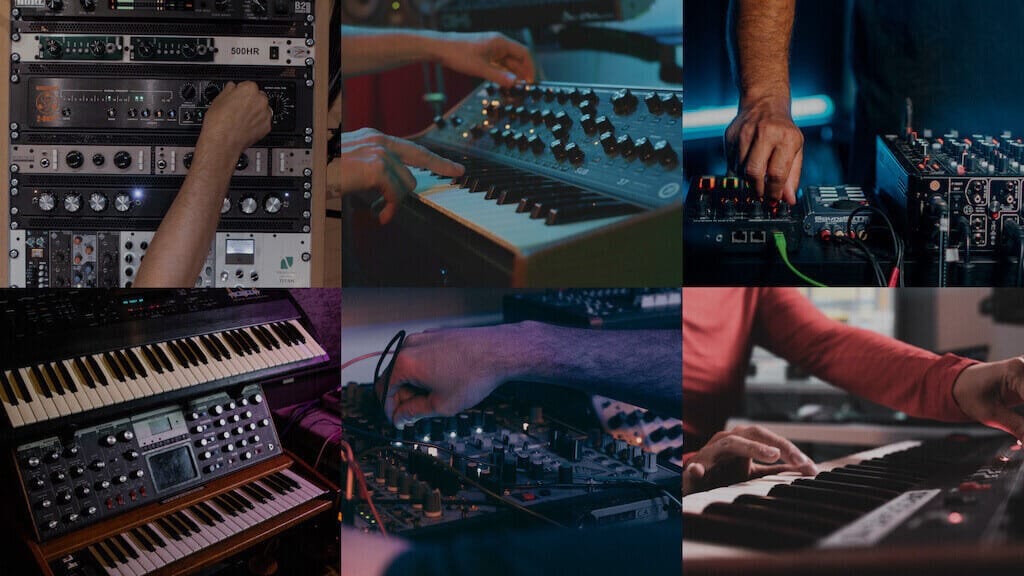
Analog synth usage is one of the most exciting entry points into music production and sound design.
Unlike digital instruments, analog synthesizers generate sound through electrical signals, resulting in a warmer, more organic tone that many producers and musicians prefer.
This unique character is why analog synth usage remains highly relevant across genres like techno, ambient, cinematic scoring, and experimental music. For beginners, the biggest challenge is often the visual complexity of knobs and controls.
However, once you understand the signal flow, everything becomes much clearer. At its core, analog synth usage follows a simple path: sound is generated, shaped, and then controlled over time. Learning this flow is the key to unlocking creativity.
Another advantage of analog synth usage is the hands-on experience it provides. Turning knobs in real time allows for immediate sonic feedback, encouraging experimentation and discovery. This tactile interaction is something many digital tools struggle to replicate.
As you progress, you will realize that analog synthesizers are not just instruments but tools for creating entirely new sounds. Whether you are designing deep basslines or evolving textures, analog synth usage gives you full control over your sound.
This guide will walk you through the essential concepts, controls, and workflows to help you build confidence and start creating your own patches effectively.
What Analog Synth Usage Means: How Analog Sound Works Compared To Digital
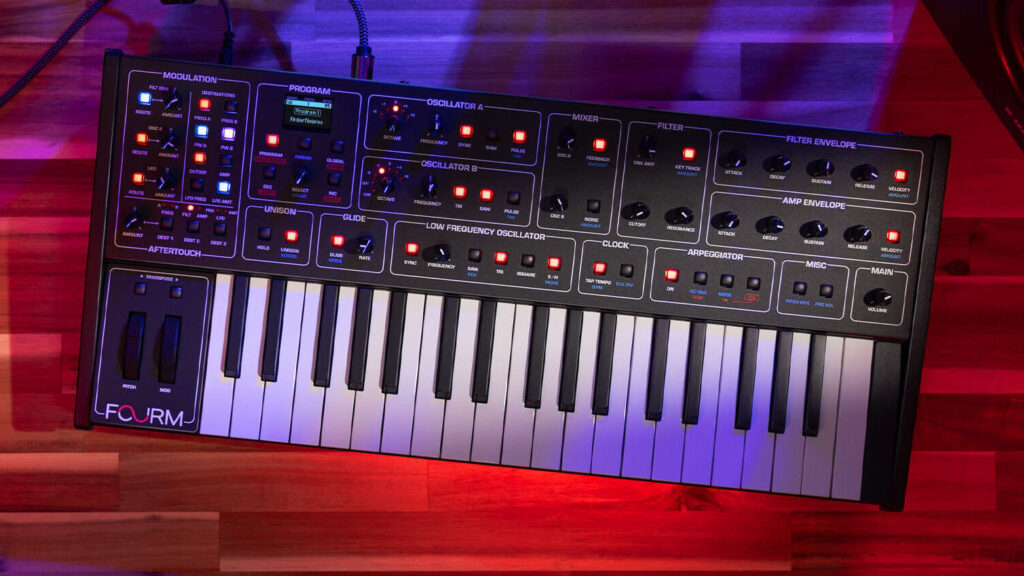
Analog synth usage is based on generating sound through continuous electrical signals rather than digital processing. This results in subtle imperfections and variations that give analog sounds their warmth and character.
In contrast, digital synthesizers rely on numerical calculations, which often produce cleaner but sometimes less “alive” tones. The foundation of analog synth usage lies in waveform generation.
Oscillators create basic waveforms such as sine, square, triangle, and sawtooth. Each waveform has a distinct tonal quality, and choosing the right one is the first step in shaping your sound.
Another important difference is how analog systems respond to modulation. Slight fluctuations in voltage can create natural variations, making the sound feel more dynamic.
This is why analog synth usage is often favored for expressive performances and evolving textures. Understanding signal flow is essential. The sound typically moves from oscillator to filter and then through amplitude control.
This chain defines how the sound is created and modified. Once you grasp this concept, analog synth usage becomes much easier to control and predict.
Ultimately, analog synthesis is about shaping raw sound into something musical. It encourages experimentation, making it a powerful tool for creativity.
Analog Synth Usage Controls: Oscillator, Filter, Envelope, And LFO Basics
To master analog synth usage, you need to understand the core components that shape sound. These building blocks are oscillator, filter, envelope, and LFO. The oscillator is the starting point.
It generates the raw waveform that defines the character of the sound. Using multiple oscillators can create richer and thicker tones. Slight detuning between them adds width and depth, a common technique in analog synth usage.
The filter controls the frequency content of the sound. A low-pass filter removes high frequencies, making the sound warmer. Adjusting cutoff and resonance can dramatically change the tone.
This is one of the most expressive aspects of analog synth usage. Envelope controls how the sound evolves over time. The ADSR parameters determine how quickly a sound starts, how it decays, and how it fades out.
For example, a fast attack creates a punchy sound, while a slow attack is ideal for pads. LFO adds movement. It modulates parameters like pitch or filter cutoff to create vibrato or rhythmic effects.
This makes analog synth usage more dynamic and less static. Learning how these elements interact is essential. Once you understand them, you can design almost any sound you imagine.
Analog Synth Usage For Your First Patches: Simple Bass, Lead, And Pad Examples
Practical experience is the fastest way to improve analog synth usage. Starting with simple patches helps you understand how each parameter affects the sound.
For a basic bass sound, choose a saw or square wave. Lower the filter cutoff to remove harsh highs and use a short envelope for a tight, punchy result. This approach is common in many genres and a great starting point for analog synth usage.
Lead sounds require more presence. Use a brighter waveform and open the filter slightly. Adding a bit of resonance and delay can help the sound stand out in a mix. Leads are a great way to explore expressive analog synth usage techniques.
Pads focus on atmosphere. Use multiple oscillators and set a slow attack and release. This creates a smooth, evolving texture. Pads are perfect for learning how analog synth usage can create depth and emotion.
Experimentation is key. Changing one parameter at a time helps you understand its impact. Over time, these small adjustments build a strong foundation. By practicing these basic sounds, you will gain confidence and develop your own style.
Connections And Setup: MIDI, Audio Routing, Sync, And DAW Integration
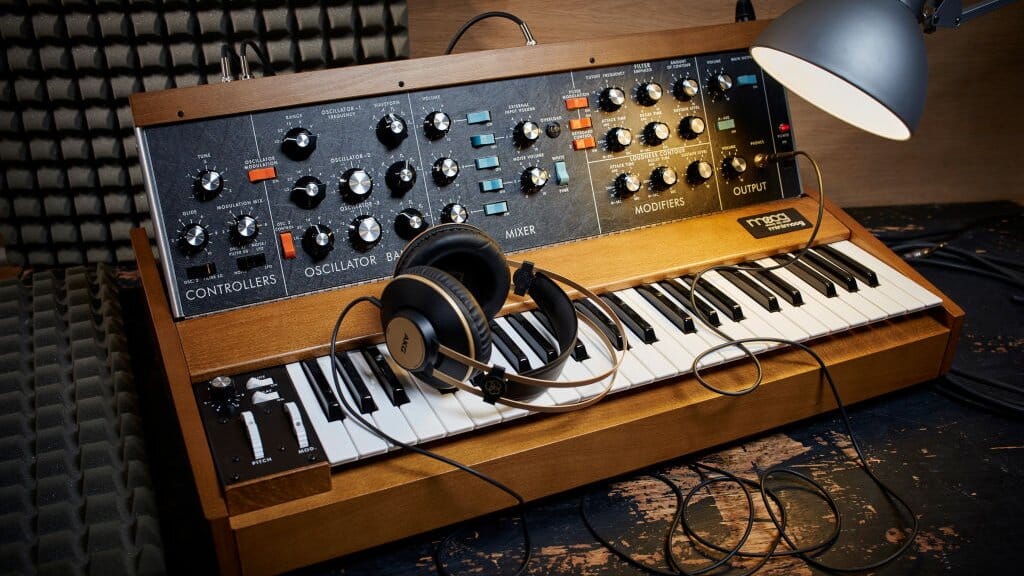
Efficient analog synth usage depends on proper setup and connections. Understanding how to integrate your synth into a larger system will improve both workflow and sound quality.
MIDI allows you to control your synth externally. You can use a keyboard or a DAW to trigger notes and automate parameters. This makes analog synth usage more flexible, especially in a studio environment.
Audio routing is equally important. The output of your synth should be connected to an audio interface for recording. A clean signal path ensures that the quality of your sound is preserved. Synchronization keeps everything in time.
Many synths can sync with external devices, allowing sequences and LFOs to match your project tempo. This is crucial for rhythm-based analog synth usage. DAW integration combines the best of both worlds.
You can record, edit, and process your analog sounds digitally. This hybrid approach is widely used in modern production. A well-organized setup saves time and allows you to focus on creativity instead of technical issues.
Practice Routine For Faster Progress: Saving Patches, Building Muscle Memory, And Common Mistakes
Developing a consistent routine is essential for improving analog synth usage. Regular practice helps you understand the instrument more deeply and build confidence.
Saving patches is an important habit. Even if your synth has limited memory, documenting settings can help you recreate sounds later. This reinforces learning and improves efficiency. Muscle memory plays a big role.
Repeating common adjustments allows you to work faster and more intuitively. Over time, analog synth usage becomes second nature. One common mistake is overcomplicating patches.
Beginners often add too many elements, which can make the sound muddy. Keeping things simple is often more effective. Another issue is ignoring gain levels. Poor level management can lead to distortion or weak signals.
Proper gain staging is a key part of professional analog synth usage. By focusing on consistency, simplicity, and experimentation, you can progress quickly and develop a strong foundation in analog synthesis.
See you in the next post,
Anil UZUN