Choose the right strings is one of the most important decisions a musician can make, yet it is often underestimated.
Many players invest in high-quality instruments, amplifiers, pedals, and recording equipment, but overlook the fact that strings are the very first point of contact between the musician and the instrument.
Every vibration, every tone, and every nuance begins with the string. If the string choice is wrong, even the best instrument will struggle to deliver its true potential.
To choose the right strings means understanding how strings affect tone, comfort, tuning stability, and long-term performance. Strings directly shape brightness, warmth, sustain, attack response, and dynamic control.
They also determine how comfortable the instrument feels in your hands during long practice sessions, rehearsals, or performances. A poor string choice can cause finger fatigue, tuning problems, inconsistent tone, and technical limitations.
This guide explains how to choose the right strings in a practical, musician-focused way. Instead of relying on brand names or trends, it focuses on sound quality, playability, musical style, and real-world performance needs.
Whether you are a beginner or an experienced musician, understanding these fundamentals will help you build a more reliable, expressive, and professional sound.
Choose The Right Strings By Material: Nickel, Steel, Bronze, And Coated Options
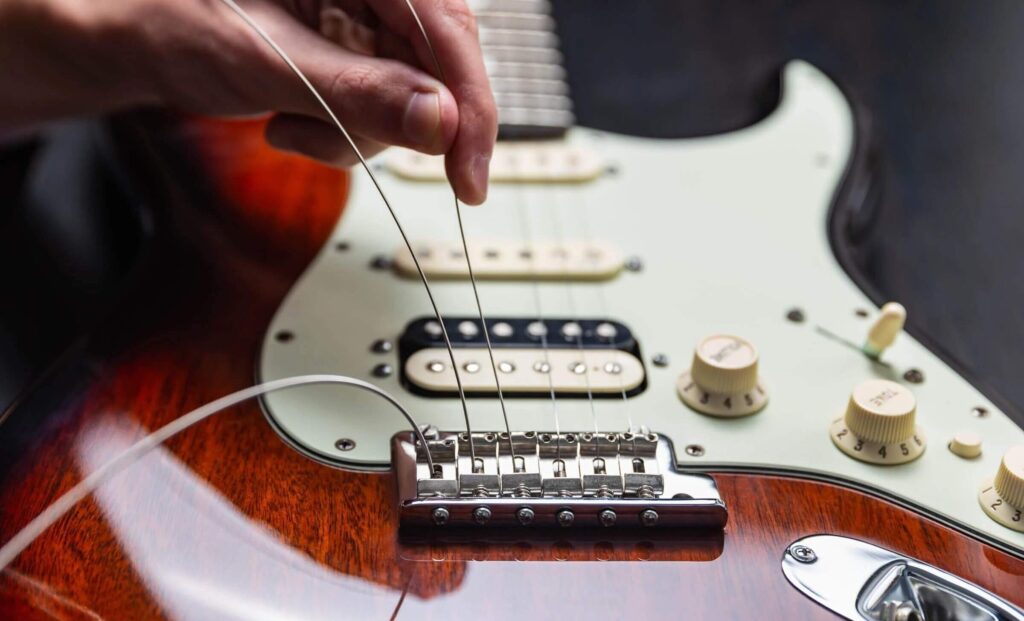
String material is one of the most influential factors in sound character. Nickel strings are widely used for electric instruments due to their warm, balanced tonal response.
They produce smooth highs and full mids, making them ideal for blues, rock, jazz, and classic styles. Nickel strings also tend to feel slightly softer under the fingers, which enhances comfort during long sessions.
Steel strings, by contrast, offer brighter tones with increased attack and clarity. They are favored in genres that require sharp articulation, such as metal, pop, country, and funk. Steel strings cut through dense mixes easily, providing strong projection and presence.
However, they can feel stiffer, which may require stronger finger control. Bronze and phosphor bronze strings are primarily used for acoustic instruments. Standard bronze produces bright, crisp tones, while phosphor bronze adds warmth and depth.
Phosphor bronze strings are especially popular for fingerstyle playing, where tonal complexity and smooth resonance are desired. Choosing between these depends on whether brightness or warmth is the primary tonal goal.
Coated strings offer extended lifespan and resistance to moisture, sweat, and dirt. While slightly less bright than uncoated strings, they maintain consistent tone for far longer periods.
For touring musicians, outdoor performers, or players in humid environments, coated strings are often the most practical solution. When you choose the right strings, balancing tone and durability becomes a key decision.
Why Strings Matter: Tone, Feel, Tuning Stability, And Playability
Strings have a direct and immediate impact on tone. Different string types emphasize different frequency ranges, altering brightness, warmth, sustain, attack, and harmonic complexity.
Bright strings produce crisp highs and sharp articulation, while warmer strings emphasize midrange depth and smoothness. If your instrument sounds thin, muddy, harsh, or lifeless, the problem often lies in the strings rather than the instrument itself.
Feel is equally important. The physical resistance of strings under your fingers affects comfort, speed, and technical accuracy. Softer strings reduce finger fatigue and allow smoother bends and vibrato, while stiffer strings provide more resistance and control.
Musicians who perform frequently or practice for long hours must prioritize comfort when they choose the right strings, as improper tension can lead to strain, discomfort, or injury.
Tuning stability is another major factor. High-quality strings maintain tension consistency and resist slipping or stretching.
Cheap or worn strings often drift out of tune, forcing constant adjustments and disrupting performance focus. Stable strings allow musicians to concentrate on expression rather than technical corrections.
Playability is the combined result of tone, feel, and tuning reliability. When strings respond predictably to picking, bowing, or finger pressure, musicians gain confidence and control.
Proper string selection improves articulation, dynamic control, and overall musical expression, making every performance more enjoyable and effective.
Gauge And Tension Explained: Light Vs Medium Vs Heavy For Different Styles
String gauge refers to thickness, which directly influences tension, tone, and feel. Light gauge strings require less pressure to fret, bend, and articulate.
They provide greater comfort and faster playability, making them ideal for beginners, fast lead players, and those who prioritize ease of movement. Light gauges also enhance brightness but may sacrifice low-end depth and volume.
Medium gauge strings strike a balance between comfort and tonal fullness. They offer increased sustain, improved tuning stability, and stronger projection while remaining manageable for most players.
Medium gauges are often considered the safest starting point for musicians exploring new styles or instruments. Heavy gauge strings produce the richest tone, strongest sustain, and greatest dynamic range.
They excel in aggressive playing styles, low tunings, and rhythm-heavy genres. However, they demand greater finger strength and endurance. Beginners may find heavy gauges uncomfortable, while advanced players often appreciate their control and power.
Tension also depends on instrument scale length and tuning. Longer scale instruments naturally increase tension, while shorter scales reduce it. When choosing gauge, players must consider their instrument’s construction, tuning preferences, and playing style.
Proper gauge selection ensures physical comfort while delivering the desired tonal characteristics.
When To Change Strings: Maintenance, Cleaning, And Extending String Life

Even the best strings degrade over time. Sweat, dirt, oils, and environmental exposure gradually reduce brightness, elasticity, and tuning stability.
Fresh strings provide vibrant tone and smooth feel, while old strings sound dull, feel rough, and struggle to hold tuning. Professional musicians may change strings weekly or even daily, depending on performance demands.
Hobbyists can extend string life with proper care. Regular wiping after each session removes moisture and debris, significantly slowing corrosion. Specialized string cleaners further enhance longevity. Environmental control also plays a major role.
High humidity accelerates oxidation, while extreme dryness can weaken string structure. Storing instruments in protective cases with humidity regulation prevents premature wear. Coated strings naturally last longer, but even they eventually lose elasticity.
Monitoring tone clarity, tuning consistency, and tactile feel helps determine when replacement is necessary. Knowing when to change strings ensures consistent performance quality and prevents tonal degradation.
Common Mistakes: Choose The Right Strings Without Wrong Fit Or Setup Issues
One of the most common mistakes musicians make is selecting strings based solely on brand popularity rather than personal needs. While certain brands are trusted for quality, no single string suits everyone.
Tone goals, comfort preferences, and musical style should guide every decision. Another frequent error is drastically changing gauge without adjusting instrument setup. Switching from light to heavy strings alters neck tension, action height, and intonation.
Without proper setup adjustments, playability suffers and mechanical strain increases. Any significant gauge change should be accompanied by professional instrument calibration.
Ignoring playing context is another pitfall. Studio musicians may prioritize tonal richness and balance, while live performers may require durability and tuning stability. Recording, touring, and practice environments all influence optimal string choice.
Failing to replace strings regularly is equally problematic. Old strings compromise tone, tuning, and expressive response. Maintaining fresh strings ensures consistent performance quality and protects the instrument’s structural integrity.
When musicians choose the right strings thoughtfully and avoid these common mistakes, they unlock their instrument’s full potential, achieving better tone, comfort, and musical expression.
See you in the next post,
Anil UZUN