
Learning music at home can be one of the most rewarding and flexible ways to develop your musical skills. With access to online resources, instruments, and recording tools, anyone can start improving without needing a formal classroom.
However, the biggest challenge is not access to knowledge but maintaining consistency and structure. Without a clear plan, progress can feel slow or even frustrating.
A well-designed daily routine helps turn random practice into meaningful improvement. When you approach learning music at home with a structured mindset, you create a system that supports both technical growth and creative expression.
Instead of guessing what to practice each day, you follow a roadmap that guides your development step by step. One of the key advantages of practicing at home is control over your schedule.
You can adjust your sessions based on your energy levels and available time. However, this flexibility requires discipline. Without it, sessions become inconsistent.
That is why building a daily plan is essential for anyone serious about learning music at home. A strong routine includes goal setting, balanced practice sections, and regular evaluation. It also considers mental focus, physical comfort, and long term sustainability.
By structuring your practice properly, you not only improve faster but also enjoy the process more. In the following sections, you will learn how to design a practical and effective daily study plan that supports consistent progress.
Learning Music At Home Starts With Clear Goals: Level, Time, And Priorities

Setting clear goals is the foundation of effective progress. Learning music at home becomes much easier when you know exactly what you are working toward. Without defined goals, practice sessions can feel unfocused and repetitive.
The first step is identifying your current level. Are you a complete beginner, or do you already have some experience? Your level determines the complexity of your practice.
For example, beginners should focus on basic techniques and simple exercises, while intermediate learners can work on more advanced pieces. This clarity helps shape your journey in learning music at home.
Time management is another important factor. Instead of planning unrealistic long sessions, it is better to commit to shorter, consistent practice blocks. Even 20 to 40 minutes daily can produce strong results when done regularly.
The key is consistency, not duration. Priorities also need to be defined. Music learning involves multiple areas such as technique, theory, and performance. You need to decide which areas require more attention.
For instance, if your technique is weak, you should dedicate more time to exercises. This balance ensures that learning music at home leads to well rounded development.
Short term goals like learning a specific piece and long term goals like improving overall musicality should work together. Achieving small milestones builds confidence and keeps motivation high.
Learning Music At Home With A Better Daily Structure: Warm Up, Technique, And Repertoire
A structured daily routine is essential for efficient practice. Learning music at home becomes far more productive when your session is divided into clear sections. This approach prevents boredom and ensures that all important areas are covered.
The first part of your session should always be a warm up. This includes simple exercises that prepare your hands, fingers, or voice. Warm ups reduce the risk of mistakes and help you focus.
Skipping this step can lead to tension and slower progress in learning music at home. The second part is technique. This is where real improvement happens. Scales, rhythm exercises, and coordination drills build the foundation of your skills.
While technical practice may feel repetitive, it is necessary for long term growth. Consistent technical work makes learning music at home more efficient over time. The final section is repertoire.
This is where you apply what you have learned by playing actual pieces. It is also the most enjoyable part for many learners. Working on songs allows you to develop musical expression and creativity. It connects technique with real musical outcomes.
Dividing your practice into these three sections ensures balance. Instead of focusing only on one aspect, you develop multiple skills simultaneously. This structure keeps your sessions organized and helps you get the most out of learning music at home.
Why Short And Consistent Practice Sessions Work Better Than Irregular Long Sessions
Many learners believe that practicing for long hours occasionally is enough. However, this approach is not effective. Learning music at home requires consistency rather than intensity. Short daily sessions are far more beneficial than long, irregular ones.
The brain and muscles learn through repetition. When you practice regularly, you reinforce patterns and improve coordination. Long breaks between sessions can cause you to forget what you learned.
This slows down progress and makes learning music at home more difficult. Short sessions also help maintain focus. Practicing for hours can lead to fatigue and reduced attention.
As a result, mistakes increase and efficiency drops. In contrast, shorter sessions allow you to stay fully engaged and make better use of your time. Another advantage is sustainability.
It is easier to commit to daily practice when the sessions are manageable. This consistency builds discipline and creates a habit. Over time, learning music at home becomes part of your routine rather than a task you struggle to complete.
Even professional musicians rely on consistent practice rather than occasional long sessions. By following this approach, you can achieve steady and reliable progress.
Staying Motivated: Progress Tracking, Recording Yourself, And Realistic Expectations
Motivation plays a crucial role in long term success. Learning music at home can sometimes feel challenging, especially when progress seems slow. That is why it is important to use strategies that keep you motivated.
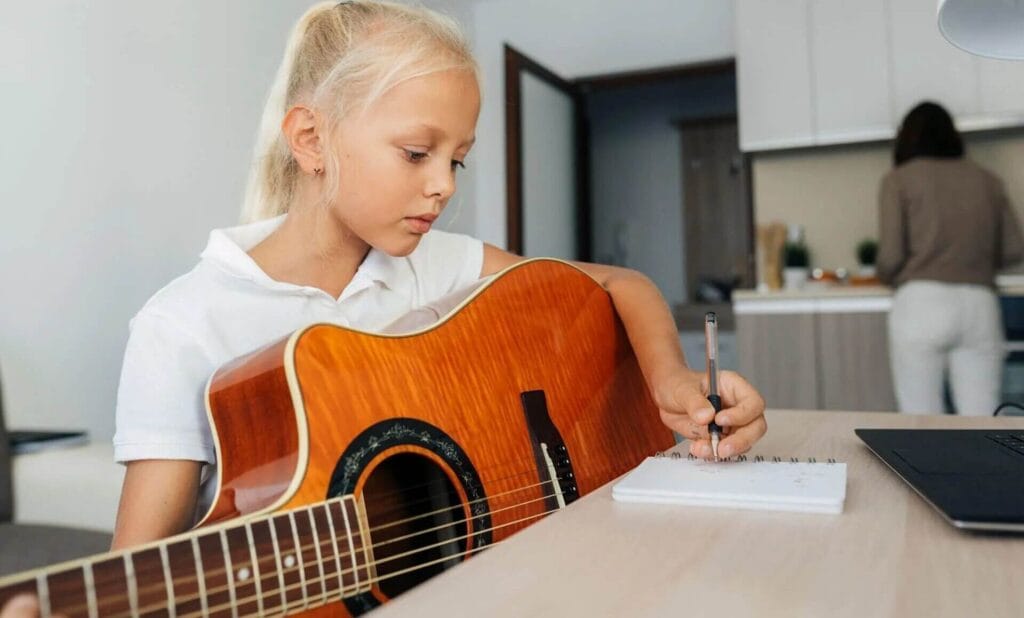
Tracking your progress is one of the most effective methods. Keeping a simple record of what you practice each day helps you see improvement over time. This sense of progress makes learning music at home more rewarding.
Recording yourself is another powerful tool. Listening to your recordings allows you to identify mistakes and track development. It also provides a clear comparison between your past and current performance.
This can boost confidence and highlight how far you have come. Setting realistic expectations is equally important. Learning music takes time, and expecting instant results can lead to frustration.
By setting achievable goals, you make the process more manageable and enjoyable. This mindset supports consistent learning music at home. Motivation also increases when you enjoy the material you are working on.
Choosing pieces you like and experimenting with different styles can make practice more engaging. When you enjoy the process, staying consistent becomes much easier.
Learning Music At Home Mistakes To Avoid For A More Effective Routine
Avoiding common mistakes can significantly improve your results. Learning music at home becomes more effective when you recognize and correct these issues early. One of the biggest mistakes is practicing without a plan.
Random practice leads to slow and inconsistent progress. Having a clear structure ensures that your time is used efficiently. Another common problem is focusing only on playing songs.
While this is enjoyable, neglecting technical exercises limits your development. A balanced approach is essential for successful learning music at home. Practicing for too long without breaks is also a mistake.
Fatigue reduces focus and increases the risk of errors. Short, focused sessions are much more effective. Ignoring mistakes during practice can slow down improvement.
Repeating errors reinforces bad habits. It is important to identify and correct mistakes as soon as they occur. Finally, comparing yourself to others too often can reduce motivation. Everyone progresses at a different pace.
Focusing on your own journey makes learning music at home more positive and productive. By avoiding these mistakes and following a structured routine, you can build a strong foundation and continue improving over time.
See you in the next post,
Anil UZUN