Polyrhythm and cross rhythm are two of the most powerful rhythm concepts you can learn if you want your playing to feel deeper, more energetic, and more professional.
They show up everywhere, from African and Afro-Cuban traditions to modern drumming, piano grooves, film music, and electronic production.
At first, polyrhythm and cross rhythm may sound like advanced theory, but the core logic is simple once you understand counting, accents, and the “feel” behind the math.
In this guide, you will learn the difference between the two, how to count them cleanly, how to practice them without frustration, and how musicians use them creatively across genres.
What Polyrhythm And Cross Rhythm Mean: Clear Definitions And Key Differences
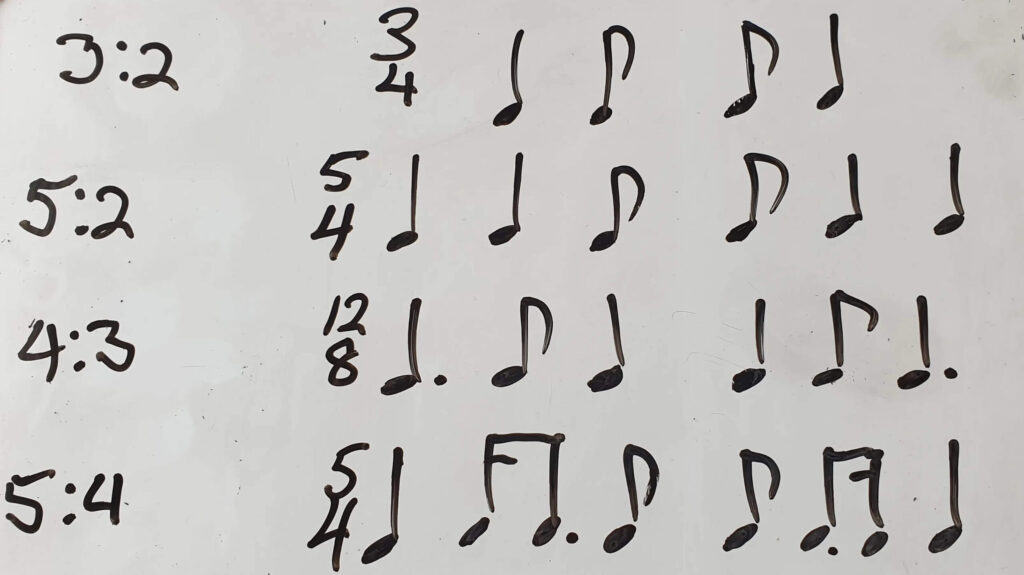
Understanding polyrhythm and cross rhythm starts with knowing what each term focuses on. Polyrhythm means two different rhythmic divisions happen at the same time. A classic example is 3:2.
One layer fits three evenly spaced hits into the same time where another layer fits two evenly spaced hits. Both rhythms stay consistent, and the tension comes from how they overlap.
The result is a layered groove that sounds complex but still feels musical once you lock into the cycle. Cross rhythm is more about accent placement. You are still inside a normal meter like 4/4, but you repeatedly accent a grouping that does not match the main pulse.
For example, accents grouped in threes against a steady four-beat bar create a shifting feel. The beat stays the same, but the accent pattern creates motion and energy.
A simple way to separate polyrhythm and cross rhythm is this: polyrhythm is two divisions happening together, while cross rhythm is a competing accent pattern pushing against the main grid.
In real music they often blend, but learning both ideas separately helps you practice with confidence.
How To Count Polyrhythm And Cross Rhythm: Subdivision, Accents, And Feel
The fastest way to improve at polyrhythm and cross rhythm is to count first and feel later. Many musicians do the opposite and get frustrated because their timing drifts.
Subdivision is the key. It means splitting the beat into equal smaller parts. For 3:2, you can build a clean grid using six subdivisions because six works for both patterns. In that six-count cycle, the 2-side hits land on 1 and 4, while the 3-side hits land on 1, 3, and 5.
When you practice slowly, you will feel the two layers pulling apart and locking back together at the end of the cycle. Cross rhythm counting is different because the beat remains stable but the accents travel across the bar.
In 4/4, you keep counting the main pulse while placing accents every three eighth notes. This creates tension because your ears follow the accents even though the meter does not change.
A strong foundation in polyrhythm and cross rhythm always comes from keeping one layer stable while your brain places the second layer accurately. If both layers shift, the rhythm collapses. That is why slow, controlled counting is the real shortcut.
Common Polyrhythm And Cross Rhythm Patterns: 3:2, 4:3, And Beyond
The most common polyrhythm and cross rhythm pattern is 3:2 because it is easy to practice and it appears in many genres. Once you master it, you develop coordination that transfers to other rhythms naturally.
4:3 is another important one. It feels wider and more dramatic because the spacing is different, and it often sounds “floating” against a steady groove. Musicians use it to create tension and a sense of lift, especially during transitions, fills, or melodic phrases.
After these, you will see more advanced patterns like 5:4 or 7-based ideas, especially in progressive music and modern cinematic production. But you do not need to chase hard ratios early.
The smartest approach is mastering 3:2 and learning to apply it musically. When polyrhythm and cross rhythm become comfortable, harder patterns stop feeling impossible because you already understand how layered timing works.
Practice Methods That Work: Metronome Drills, Clapping, And Coordination Exercises
If you want control over polyrhythm and cross rhythm, use a structured practice method instead of random repetition.
Start by creating an anchor pulse. Tap quarter notes with your foot while using a metronome. Your foot becomes your timing foundation, and it must remain steady. Then add the rhythm with your hands.
Clap the two-side pattern with one hand and the three-side pattern with the other. At first it will feel awkward, but the goal is independence. Your hands can make mistakes, but the foot should not change.
After clapping, transfer the concept to your instrument. Drummers might keep the hi-hat steady while moving accents around the kit. Pianists might play chords in one hand while the other hand plays a cross rhythm line.
Producers can build the same feeling by layering percussion loops with different accent placements. A powerful way to practice polyrhythm and cross rhythm is recording yourself.
Many people think they are stable until they listen back. Recording exposes rushing, dragging, and weak accents. Fixing those details is what turns “I understand it” into “I can perform it.”
Where You Hear It: Drums, Piano, African Traditions, And Modern Production
You can hear polyrhythm and cross rhythm in many real-world musical situations, often without realizing it. In African-rooted rhythms, multiple percussion layers create interlocking patterns that naturally produce cross rhythms.
The groove feels alive because different parts emphasize different accents, yet everything stays locked to the same pulse. In drumming, cross rhythm appears when accents push against the beat while the time stays stable.
This creates movement and excitement without needing a tempo change. It is a common tool in fills, transitions, and groove variations. In piano and melodic instruments, polyrhythm and cross rhythm often show up as phrasing choices.
A melody might stretch across the beat using triplets while the harmony stays steady, creating a smooth and emotional pull. This is especially common in jazz, neo-soul, and cinematic music. In modern production, layered loops create the same effect.
A drum groove in 4/4 combined with an accent pattern that cycles differently makes the track feel constantly evolving. This is one of the easiest ways to build energy without adding too many instruments.
When you start applying polyrhythm and cross rhythm intentionally, your music gains depth, tension, and a professional rhythmic character that listeners feel even if they cannot explain it.
See you in the next post,
Anil UZUN