
Music practice system is the foundation of fast and consistent progress for any musician. Instead of practicing randomly or repeating the same habits without structure, a well designed system helps you improve faster with less effort.
Many beginners struggle not because they lack talent, but because they lack a clear plan. A strong Music practice system turns practice into a focused, goal driven process. The biggest advantage of a structured system is efficiency.
You spend less time wondering what to practice and more time actually improving. This leads to better technique, stronger musical understanding, and more confidence over time.
A good Music practice system also prevents burnout by keeping sessions organized and purposeful. Another key benefit is consistency. When practice is structured, it becomes easier to build a routine.
This routine supports long term development and helps maintain motivation even when progress feels slow. Learning music is not only about playing notes.
It involves coordination, listening skills, rhythm control, and musical expression. All these areas must be trained together. That is why a balanced Music practice system is essential.
In this guide, you will learn what a practice system is, how to build a daily plan, how to stay motivated, how to balance different skills, and how to avoid common mistakes.
What A Music Practice System Is And How It Supports Faster Learning

A Music practice system is a structured way of organizing your practice time so that each session has a clear purpose. Instead of practicing without direction, you follow a plan that targets specific skills and goals. The first step is understanding your current level.
Beginners need to focus on fundamentals like rhythm, finger control, and basic technique. Intermediate players may focus more on speed, accuracy, and musical expression. A good Music practice system adapts to your level.
Setting goals is also essential. Short term goals such as learning a chord progression or improving timing can create quick progress. Long term goals such as mastering a song or improving improvisation provide direction.
Breaking practice into sections is another important principle. Instead of repeating one thing for a long time, divide your session into smaller parts. This keeps your mind active and improves focus. A structured system also helps avoid wasted time.
You know exactly what to practice and how to measure improvement. Over time, this approach makes learning much faster. When used consistently, a Music practice system creates steady progress and builds strong habits.
Music Practice System For Daily Planning Time Repetition And Clear Priorities
Daily planning is one of the most important parts of a Music practice system. Without a clear plan, practice sessions can become unorganized and ineffective. Start by setting a realistic time limit.
For most learners, 30 to 60 minutes of focused practice is more effective than long, unfocused sessions. The key is concentration, not duration. Divide your practice into sections. Begin with a short warm up to prepare your hands and mind.
Then move to technical exercises, followed by repertoire or songs. This structure keeps your Music practice system balanced. Repetition is essential for improvement. Practicing the same exercise correctly multiple times builds muscle memory.
However, repetition should be controlled and focused. Repeating mistakes will not help. Prioritization also matters. Work on the most challenging parts at the beginning of your session when your focus is strongest. Easier tasks can be left for later.
Ending your session with a short review helps track progress. Noting what improved and what needs more work strengthens your Music practice system over time. A well planned daily routine turns practice into measurable progress.
Motivation Methods That Help You Stay Consistent And Track Progress
Motivation is a key factor in maintaining a strong Music practice system. Even the best plan will fail if you cannot stay consistent. Setting clear and achievable goals is one of the best ways to stay motivated.
Small wins create a sense of progress and encourage you to continue. For example, mastering a short section of a song can be a powerful motivator. Tracking progress is equally important.
Recording your practice or writing notes allows you to see improvement over time. This makes your Music practice system more rewarding.
Short practice sessions can also help maintain motivation. Long sessions can lead to fatigue and frustration, while shorter sessions keep energy levels higher. Variety is another useful tool.
Switching between exercises, songs, and listening activities keeps practice interesting. This prevents boredom and supports long term consistency. Celebrating small achievements is important as well.
Recognizing progress builds confidence and reinforces positive habits. A motivated mindset keeps your Music practice system active and sustainable.
Music Practice System For Balancing Technique Repertoire And Ear Training
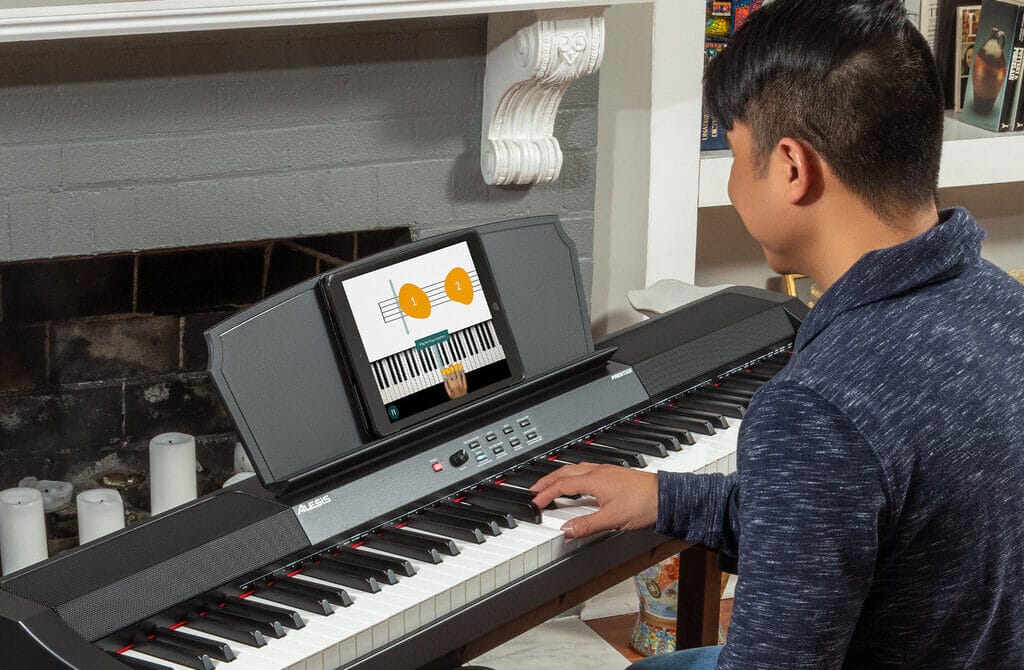
A balanced Music practice system includes more than just playing exercises. It should develop multiple skills at the same time. Technique is the foundation. It includes finger control, timing, and accuracy.
Without strong technique, it is difficult to play cleanly or confidently. Repertoire is where technique becomes music. Learning songs allows you to apply what you practice. It also makes practice more enjoyable.
A good Music practice system always includes time for repertoire. Ear training is often ignored, but it is extremely important. It helps you recognize melodies, chords, and rhythms. This improves musical understanding and creativity.
Balancing these three areas creates well rounded development. For example, a practice session might include 15 minutes of technique, 20 minutes of repertoire, and 10 minutes of ear training.
This balanced approach ensures that your Music practice system supports both technical and musical growth.
Common Mistakes That Slow Down Progress And How To Practice More Efficiently
Many musicians struggle because they do not use an effective Music practice system. Understanding common mistakes can help you improve faster. One common mistake is practicing without a plan. This leads to repetition without progress.
Having a clear structure is essential. Another mistake is focusing only on easy material. While it feels comfortable, it does not lead to growth. Challenging yourself is necessary for improvement. Practicing too fast is also a problem.
Speed should come after accuracy. Playing slowly and correctly is more effective than playing fast with mistakes. Lack of repetition is another issue. Skills need to be reinforced through consistent practice. Without repetition, progress is limited.
Finally, ignoring breaks can reduce efficiency. Short breaks help maintain focus and prevent fatigue. Avoiding these mistakes makes your Music practice system more efficient and results in faster improvement.
See you in the next post,
Anil UZUN