
Pre performance anxiety is a common experience for performers across all disciplines, from musicians and public speakers to athletes and actors.
This type of anxiety appears just before stepping into the spotlight and often brings physical tension, racing thoughts, and emotional unease.
While it may feel overwhelming, pre performance anxiety is not a weakness. In fact, it is a natural response that signals anticipation, alertness, and readiness to perform.
Many high level performers experience pre performance anxiety regardless of experience or skill level. The difference between those who struggle and those who thrive lies in how they manage this feeling.
Learning to understand, accept, and redirect this energy can turn anxiety into focus and motivation rather than fear. In this guide, we explore practical, science backed strategies to help manage pre performance anxiety.
You will learn why it occurs, how to control it through breathing and mental focus, and how to transform nervous energy into confidence and presence on stage.
Pre Performance Anxiety And Why It Happens
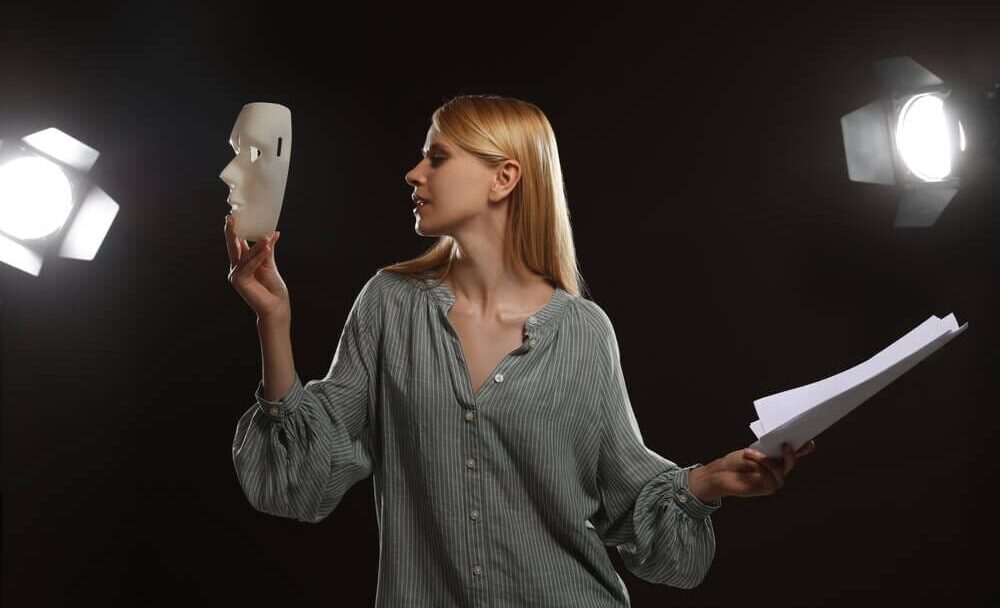
Pre performance anxiety occurs when the brain perceives a situation as high risk or socially demanding. Standing in front of an audience activates the brain’s threat detection system, even if there is no real danger.
This reaction triggers the release of stress hormones such as adrenaline and cortisol, preparing the body for action. This response is deeply rooted in human evolution.
Thousands of years ago, social acceptance was essential for survival. Being evaluated by others could determine safety or exclusion. Although modern performances are not life threatening, the brain still reacts in a similar way.
Common symptoms of pre performance anxiety include increased heart rate, shallow breathing, muscle tension, sweating, dry mouth, and racing thoughts. Emotionally, it can create fear of failure, self doubt, or concern about being judged.
These sensations are uncomfortable, but they also indicate that the body is preparing for heightened focus and awareness. Understanding this biological mechanism helps reduce fear.
When performers recognize that anxiety is a natural response rather than a flaw, it becomes easier to manage. Instead of trying to eliminate pre performance anxiety completely, the goal should be learning how to work with it.
Breathing and Focus Techniques To Reduce Stress Before Performing
One of the most effective ways to calm pre performance anxiety is through controlled breathing.
Breathing directly influences the nervous system, helping shift the body from a state of stress to one of balance and calm. Deep diaphragmatic breathing is particularly helpful.
By inhaling slowly through the nose, allowing the abdomen to expand, and exhaling gently through the mouth, the body receives a signal that it is safe. This type of breathing slows the heart rate and reduces muscle tension.
Another powerful technique is rhythmic breathing. Inhale for four seconds, hold for four seconds, exhale for four seconds, and pause again for four seconds. Repeating this cycle several times before performing can significantly reduce nervous energy.
Focus techniques are equally important. Rather than allowing the mind to spiral into negative predictions, redirect attention to the present moment.
Paying attention to physical sensations, such as the feel of your feet on the ground or the rhythm of your breath, anchors the mind and reduces overthinking.
Combining breathing with focus helps transform pre performance anxiety into calm concentration. Over time, these practices can become automatic, allowing performers to enter a relaxed yet alert state before stepping on stage.
Pre Performance Anxiety Management Through Mental Preparation
Mental preparation plays a crucial role in managing pre performance anxiety. Thoughts shape emotional responses, and learning to guide those thoughts can significantly improve performance confidence.
Visualization is one of the most effective mental tools. By mentally rehearsing a successful performance, the brain becomes familiar with the experience. Visualizing positive outcomes helps reduce uncertainty and increases self trust.
When the mind has already “experienced” success, the body responds with greater ease during the real performance. Positive self talk is another key element.
Many performers struggle with internal criticism that intensifies anxiety. Replacing negative thoughts with supportive affirmations helps reframe the experience. Statements such as “I am prepared” or “I am capable of handling this moment” reinforce confidence.
Mental flexibility is also important. Accepting that small imperfections may occur allows the performer to stay present rather than panic. Audiences often connect more deeply with authenticity than perfection.
Understanding this helps reduce pressure and allows natural expression to emerge. By training the mind through repetition and awareness, pre performance anxiety becomes manageable and even beneficial.
Building Confidence With Pre Performance Routines

Establishing a consistent pre performance routine can significantly reduce anxiety. Routines create familiarity, which signals safety to the brain. When the body recognizes a pattern, it becomes easier to relax and focus.
A pre performance routine might include light stretching, breathing exercises, mental visualization, or listening to calming music. Some performers also find comfort in short rituals, such as reviewing notes or repeating a motivational phrase.
Consistency is key. Repeating the same routine before every performance conditions the brain to associate these actions with readiness and control. Over time, this reduces uncertainty and builds confidence.
Pre performance routines also help shift attention away from external pressure and toward internal preparation. This creates a sense of ownership over the performance experience and strengthens emotional stability.
Confidence does not come from eliminating fear but from learning how to function despite it. A reliable routine reinforces this mindset and helps transform pre performance anxiety into a source of strength.
Pre Performance Anxiety Strategies To Turn Nerves Into Energy
Pre performance anxiety contains a powerful amount of energy. When channeled correctly, this energy can enhance focus, creativity, and emotional expression. The key is learning how to redirect nervous tension rather than suppress it.
Physical movement is one effective method. Light stretching, walking, or gentle movement helps release excess adrenaline and grounds the body. This prevents nervous energy from becoming overwhelming.
Reframing anxiety as excitement is another useful strategy. Physiologically, excitement and anxiety produce similar sensations.
By mentally labeling the feeling as excitement, the brain interprets the situation more positively. This shift can significantly improve performance quality.
Connection with the audience also plays a role. Instead of viewing the audience as judges, seeing them as collaborators creates a sense of shared experience. This mindset reduces pressure and increases authenticity.
Finally, self compassion is essential. Accepting that nerves are part of the process allows performers to approach the moment with kindness rather than criticism. Over time, this approach builds resilience and confidence.
Pre performance anxiety does not have to be an obstacle. With the right mindset and techniques, it can become a powerful source of energy, presence, and emotional connection.
See you in the next post,
Anil UZUN