
Music competitions can be a fast way to gain exposure, improve your stage skills, and build credibility as an artist. Many musicians join music competitions to perform in front of new audiences, meet industry professionals, and test themselves under real pressure.
At the same time, competitions can bring stress, unfair comparisons, and results that do not always reflect musical quality. The smartest approach is to treat music competitions as a career tool, not as the only measure of success.
If you enter music competitions with a clear goal, strong preparation, and a plan for what happens afterward, they can become a turning point in your growth. This guide covers the main benefits, risks, preparation strategies, and the best next steps after the results.
Why Music Competitions Matter: Exposure, Credibility, And Career Momentum

One reason music competitions matter is that they provide instant visibility. Instead of building attention slowly, you step into a setting where people are already listening.
A strong performance can lead to new followers, new connections, and opportunities that would take months to build on your own. Even smaller local music competitions can bring you in front of venue owners, teachers, producers, or event organizers.
Competitions also add credibility to your artist profile. Being a finalist, semi finalist, or even a participant can show that you are active, disciplined, and comfortable performing live.
When you are still building your career, small achievements in music competitions can strengthen your portfolio and support your future applications, auditions, or bookings.
Another important factor is momentum. Most musicians improve faster when they have a deadline. Music competitions push you to rehearse consistently, refine details, and focus on performance quality.
This structure can create rapid development in your voice, musical control, stage confidence, and overall professionalism.
Music Competitions Pros: Networking, Feedback, And Performance Experience
The biggest advantage of music competitions is access. Competitions bring together people who are serious about music. This includes judges, organizers, sponsors, and other musicians.
Even if you do not win, meeting the right person can lead to collaborations, studio sessions, or future stage invitations. Many artists grow their network faster through music competitions than through random online connections.
Feedback is another valuable benefit. Honest feedback is not always easy to find because friends and family usually support you without pointing out weaknesses.
In music competitions, judges may mention specific areas like breath support, timing, pitch accuracy, articulation, stage connection, or tone control.
If you learn how to filter feedback and focus on what is useful, this can improve your performance faster than practicing alone. Competitions also build stage experience. Performing in rehearsal is not the same as performing in front of judges and a crowd.
Music competitions teach you how to stay calm, handle bright lights, manage microphone technique, and recover quickly from small mistakes. These skills translate directly into concerts, studio sessions, and professional opportunities.
Music Competitions Cons: Pressure, Bias, And Unrealistic Expectations
The biggest negative side of music competitions is pressure. When you know you are being evaluated, your body can react with tension, shallow breathing, and a loss of control.
This can affect vocal stability and stage presence. Many musicians feel more nervous in competitions than in regular live performances because results feel personal.
Bias is another issue. Some music competitions favor certain genres or vocal styles. Others include audience voting, which can turn the event into a popularity contest. Even judge based competitions may depend on personal taste.
This does not mean competitions are meaningless, but it does mean you should not build your entire confidence around the outcome.
Unrealistic expectations can also be damaging. Some musicians join music competitions expecting an instant career breakthrough. Sometimes winning does bring big opportunities, but often it does not change everything overnight.
Without a follow up plan, attention fades quickly. The best mindset is to see competitions as a learning and marketing opportunity rather than a guaranteed shortcut.
How To Prepare: Repertoire Choice, Stage Presence, And Managing Nerves
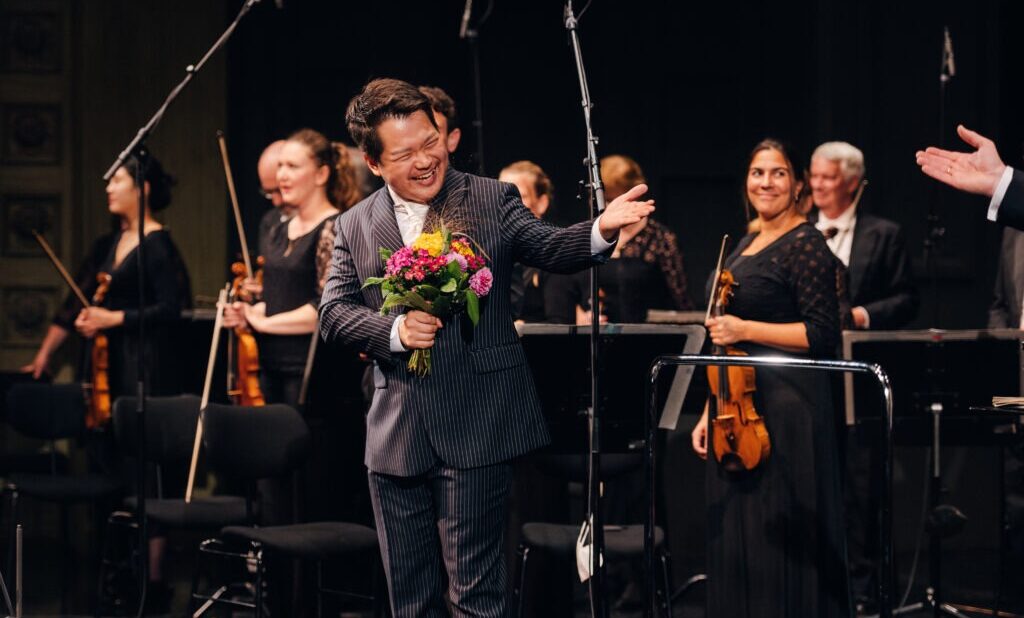
Preparation for music competitions starts with choosing the right song. Your song should fit your voice, support your strengths, and allow you to deliver clean technique under pressure.
A difficult song can impress people, but it can also expose weaknesses if you lose control. A song that suits your vocal range and style often wins more impact than one that is only technically challenging.
Stage presence is another key factor. Practice your performance as a full show, not just a vocal exercise. Rehearse standing up, moving naturally, and connecting with the imaginary audience.
Record your rehearsals and watch them back. This helps you spot habits like stiff posture, avoiding eye contact, or overusing random gestures. Music competitions reward performers who look confident and intentional. Managing nerves requires routine.
Create a simple pre performance system that includes light vocal warm ups, breathing exercises, and mental focus. Your goal is not to eliminate nerves, but to control them.
Many professionals still feel nervous before performing, but they know how to turn that energy into focus. A practical technique is to rehearse under pressure. For example, record yourself in one take, as if it is the real competition.
This trains your mind to perform without stopping. It also improves your recovery skill, which is critical in music competitions.
After The Results: Using Feedback, Building Your Portfolio, And Next Steps
After music competitions, your results are only the beginning. The best move is to collect your assets. Save your performance videos, photos, and any judge comments.
These can become powerful tools for your portfolio and social media. Even if you did not win, you now have content that proves you perform live. Use feedback wisely. Look for repeated patterns in comments.
If multiple people mention breath control or stage connection, focus on improving that area. Not every comment will be accurate, but feedback from music competitions is useful because it is based on real performance. Next, build momentum quickly.
If you gained new followers, give them something to stay for. Post a highlight clip, share behind the scenes content, or announce your next performance. If you are releasing music, use the competition attention to support a release plan.
Competitions create a short visibility window, and smart musicians extend it with consistent actions. Most importantly, protect your mindset. A competition result does not define your talent. It reflects one performance in one situation.
Many successful musicians did not win early competitions, but they used the experience to grow. If you treat music competitions as training and marketing, every outcome can move you forward.
See you in the next post,
Anil UZUN