
Whether you are beginning your musical journey or aiming to refine your advanced skills, choosing a music teacher is one of the most influential decisions you will make.
The quality of your learning experience, the speed of your progress, and even your long-term motivation depend heavily on how successfully you navigate the process of choosing a music teacher.
Many learners underestimate how essential this decision is, but the right instructor can create a transformative learning environment, while the wrong one can slow your development or diminish your confidence.
For this reason, taking a mindful, well-informed approach to choosing a music teacher is crucial for musicians of all levels. Your personal goals, learning style, and expectations play a major role in choosing a music teacher who is truly compatible with you.
Some learners want structured, theory-focused lessons, while others thrive in a more flexible, creative learning environment. An instructor’s background, teaching philosophy, and communication style should match the way you learn best.
Because each individual has unique needs, choosing a music teacher should never be a random or rushed decision. Instead, it should be a deliberate process that evaluates both technical skill and interpersonal compatibility.
With countless instructors available both in-person and online, the options can feel overwhelming. Yet, by focusing on your priorities and evaluating key factors step by step, you can approach choosing a music teacher with clarity and confidence.
Whether your interest lies in classical music, jazz improvisation, music production, vocal training, or instrumental mastery, the right instructor will guide your growth and help you build a solid foundation.
Ultimately, choosing a music teacher is not just about taking lessons; it is about forming a productive partnership that supports your artistic development for years to come.
Choosing A Music Teacher: Key Qualifications And Experience To Look For
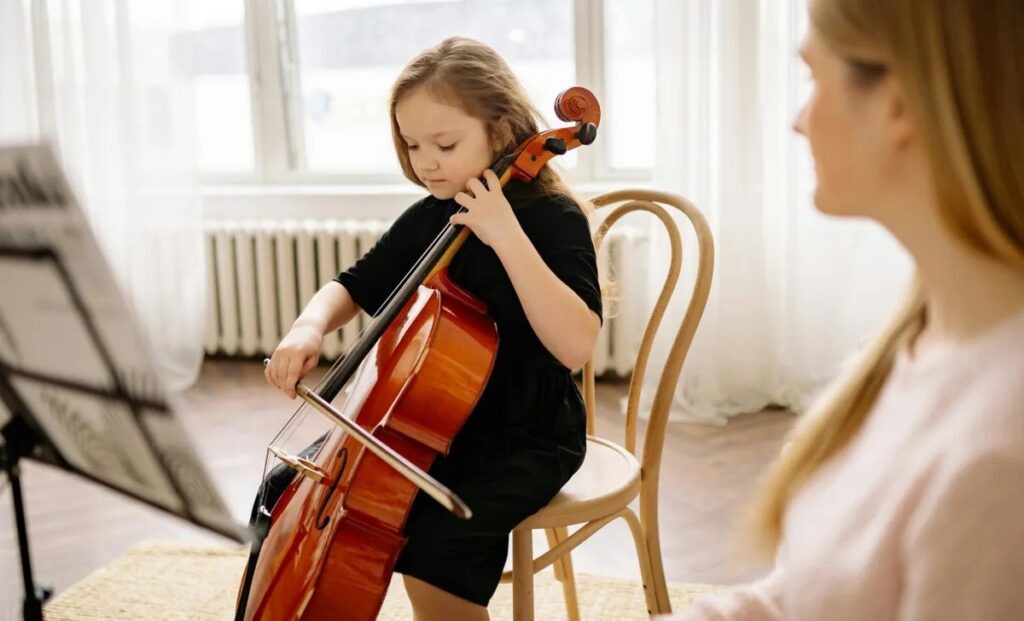
One of the first steps in choosing a music teacher is evaluating their qualifications, experience, and areas of specialization.
A strong instructor typically has a solid musical background, which may include conservatory training, academic credentials, professional performance experience, or extensive teaching history.
These qualifications indicate not only technical knowledge but also a deeper understanding of musical expression and pedagogy. Experience plays an equally important role.
An instructor who has taught students of varying ages and skill levels is often more adaptable and better equipped to tailor lessons to the learner’s goals.
When choosing a music teacher, assess whether the instructor specializes in the specific instrument or style you want to study.
For example, a classical violin teacher may not be the best fit for someone focused on contemporary improvisation, while a vocal instructor with expertise in breath control and tone production is ideal for aspiring singers.
Additionally, teaching style is a subtle but crucial element. Some educators are highly structured and analytical, while others adopt a more intuitive, creative approach. Knowing which style works best for you will make choosing a music teacher much easier.
Finally, consider whether the instructor stays updated with modern techniques, music technology, and evolving trends in musical education. This ensures you receive relevant, current guidance that supports long-term growth.
Evaluating Communication And Compatibility With Your Instructor
Technical expertise is important, but communication and compatibility often determine whether lessons are truly effective.
For this reason, choosing a music teacher requires understanding how well the instructor can explain concepts, offer constructive feedback, and maintain a positive learning atmosphere.
Good communication helps students overcome challenges, stay motivated, and comfortably ask questions without hesitation. Compatibility also involves emotional and interpersonal dynamics.
Some learners thrive with a disciplined, demanding instructor, while others do best with a warm, encouraging mentor. When choosing a music teacher, it is essential to assess whether the instructor’s personality aligns with your preferred learning environment.
A trial lesson is one of the best ways to evaluate this fit, as it allows you to observe communication style, teaching rhythm, and responsiveness firsthand.
Furthermore, the instructor’s ability to listen matters as much as their ability to teach. A great teacher adjusts the pace of lessons based on your progress, refines explanations when necessary, and recognizes the emotional aspects of musical development.
Because learning music is both technical and personal, choosing a music teacher who genuinely understands and supports your journey will significantly enhance your experience.
Choosing A Music Teacher: Finding Specialists In Different Music Styles
Every musical genre demands distinct techniques, skills, and interpretive approaches. For this reason, choosing a music teacher who specializes in your desired style is essential for effective progress.
Classical pianists, jazz improvisers, pop vocalists, EDM producers, and flamenco guitarists all require different forms of training.
A teacher who fully understands your genre will introduce you to stylistic nuances, essential techniques, and the cultural context behind the music.
Working with a specialist accelerates learning because it eliminates unnecessary trial and error. For example, someone studying jazz will benefit from an instructor knowledgeable in swing rhythms, extended harmonies, and improvisation.
Likewise, a singer focused on modern pop requires a teacher familiar with vocal texture, contemporary phrasing, and microphone technique.
Therefore, choosing a music teacher who aligns with your stylistic preferences ensures you receive training customized to your artistic goals. In some cases, you may want to explore multiple genres.
In such situations, choose an instructor versatile enough to guide interdisciplinary learning. The flexibility to switch between technical exercises, creative interpretation, and genre-specific techniques enhances the learning experience.
This versatility makes choosing a music teacher even more strategic for developing a well-rounded musical identity.
In Person Vs Online Lessons: Pros And Cons

With the growing popularity of online platforms, musicians now have more options than ever when choosing a music teacher.
Each format carries unique advantages. In person lessons provide hands-on guidance, immediate correction of posture and technique, and a more immersive atmosphere.
This approach is particularly effective for beginners or for instruments requiring physical adjustment, such as violin, flute, or certain percussion instruments. Online lessons, however, offer unmatched flexibility.
Students can access instructors from anywhere in the world, often enabling them to work with specialists they would otherwise never reach. This makes choosing a music teacher easier for learners who live in remote areas or have busy schedules.
Additionally, online lessons often incorporate modern tools such as digital sheet music, recording feedback, and screen-sharing demonstrations, which enhance the learning experience.
Despite these advantages, online lessons depend on technology quality and may lack some aspects of hands-on correction. In person lessons require commuting and often come at a higher cost.
Ultimately, choosing a music teacher means assessing which format aligns better with your lifestyle, goals, and learning preferences. Many students even combine both methods for maximum benefit.
Choosing A Music Teacher: Checking References And Student Feedback
One of the most reliable ways to evaluate an instructor is by examining what previous students say about them.
Reviews, testimonials, and word-of-mouth recommendations provide insights into teaching quality, consistency, and personality. Therefore, checking feedback is an essential part of choosing a music teacher.
Look for comments about the instructor’s communication, lesson structure, patience, technical expertise, and ability to motivate students. Additionally, observing the progress of current or former students can be very telling.
Some teachers showcase student performances, recordings, or competition achievements. Others may be known for helping beginners reach advanced proficiency or supporting hobby musicians in building confidence.
These examples help determine whether choosing a music teacher who maintains a strong record of successful students is the right decision for you. References also help you avoid mismatches.
An instructor who excels with children might not be ideal for adult learners, and vice versa. Evaluating feedback ensures that you approach choosing a music teacher with realistic expectations based on real experiences, not assumptions.
Ultimately, this research strengthens your ability to select an instructor who will genuinely support your musical growth.
See you in the next post,
Anil UZUN